
From Template to Installation: A Typical Worktop Timeline
Understand the usual stages of a stone, quartz or solid surface worktop project in the UK, from quote and survey to templating, fabrication, fitting and aftercare.
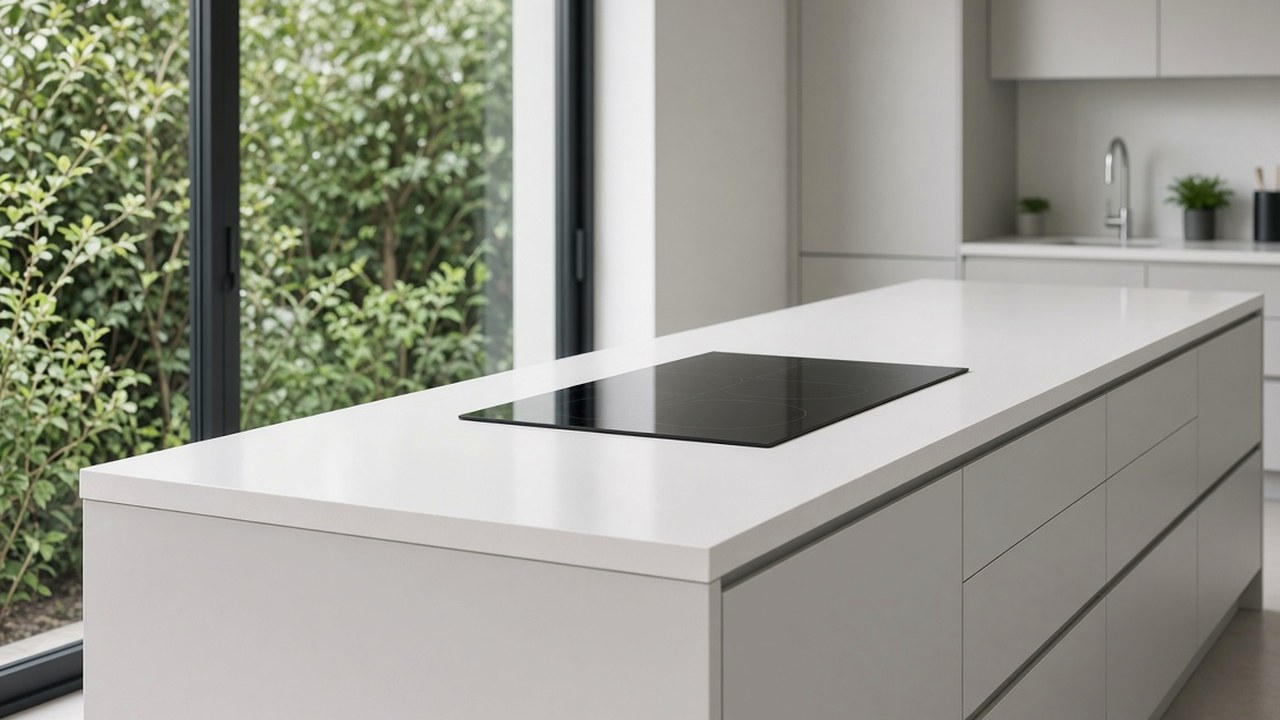
We start with how a finish behaves beside cabinets and daylight, not with a catalogue slogan. This note is written for Kitchen Worktops Direct readers who want a practical view of colour, thickness and fitting before they lock a specification.
Stone, quartz and solid surface worktops are made to measure, so they follow a sequence of stages. Knowing the timeline helps you coordinate your kitchen fitter, plumber, electrician and tiler, and avoid delays. Kitchen Worktops Direct outlines a typical worktop project from quote to aftercare.
Contents
1 Quote and material choice
2 Cabinets fitted and level
3 Templating visit
4 Fabrication
5 Installation day
6 Splashbacks and tiling
7 Aftercare
8 Preparing for the templating visit
9 Who does what
10 Common causes of delay
11 Fitting day in detail
12 After installation
13 Planning around holidays and events
14 Materials and lead times
15 Keeping a project checklist
16 Frequently asked questions
Quote and material choice
The process starts with a quote based on your kitchen plan or rough measurements. You choose the material, colour, edge profile and cut-outs. Our article on hidden worktop costs explains what a quote should include.
- Choose material and colour.
- Confirm edges and cut-outs.
- Check what the quote includes.
Cabinets fitted and level
Here are the kitchen worktop ranges we currently supply:
Templating can only happen once base cabinets are fully installed, level and fixed. Appliances that affect the worktop, such as sinks and hobs, should be chosen and, for undermount or butler sinks, available on site.
Templating visit
A templater measures the cabinets precisely, often with digital equipment, and records cut-outs, overhangs and joint positions. This is the time to confirm details. Our guide to undermount vs inset sinks explains sink templating.
Fabrication
The fabricator cuts, shapes and polishes the worktops in the workshop. The length of this stage depends on the material, workload and complexity. Ask for an estimate when you book.
- Worktops are cut and polished in the workshop.
- Duration varies by material and workload.
- Ask for an estimated date.
Installation day
Fitters bring the worktops, position them, bond joints and fix them. Plumbing and electrical reconnection may be done by your own trades or arranged separately. Our article on installation costs explains what is usually included.
Splashbacks and tiling
Upstands and splashbacks are often templated with the worktops or fitted afterwards. Tiling is usually done after installation. See our guide to kitchen splashbacks and upstands.
Aftercare
Check the finished worktops with the fitters before they leave. Follow the manufacturer’s care guide. Our guide to cleaning quartz worktops covers everyday care.
Preparing for the templating visit
Before the templater arrives, make sure base cabinets are fixed and level, end panels are in place and appliances are either on site or confirmed with exact model details. Have the sink, tap and hob on site if the fabricator requires them, particularly for undermount and butler sinks. Clear the cabinet tops so the templater can work.
Be ready to confirm overhangs, edge profiles, cut-out positions, upstand heights and splashback details. Decisions made at templating are costly to change later.
- Cabinets fixed, level and complete.
- Sinks and taps on site if required.
- Decisions on overhangs, edges and cut-outs ready.
Who does what
Worktop projects involve several trades. The kitchen fitter installs cabinets. The templater measures. The fabricator makes the worktops. The installers fit them. A plumber reconnects the sink and dishwasher. An electrician or gas engineer reconnects the hob. A tiler finishes the splashback. Some companies handle several of these; others handle only one. Ask your supplier what is included and who coordinates the other trades.
Common causes of delay
Delays usually come from a few predictable issues: cabinets not finished or not level at templating, appliance or sink details changing after templating, access problems on fitting day and material availability. Keeping decisions fixed after templating and confirming access in advance helps avoid most delays.
- Unfinished or uneven cabinets.
- Changes after templating.
- Access problems.
Fitting day in detail
On fitting day, installers carry in the worktops, check the fit, bond joints, fix the worktops to the cabinets and fit upstands if included. Undermount sinks are usually fitted with the worktop. Once the adhesive has cured, plumbing and electrics can be reconnected. The fitters should clean up and show you the finished work.
After installation
Allow any adhesives and sealants to cure as advised before heavy use of the sink. Keep the care guide provided with your worktop. Our guide to cleaning quartz worktops explains everyday care, and our guide to edge profiles explains how edges are finished.
Planning around holidays and events
If you have a deadline, such as a family event or holiday, tell your supplier when you book. Allow a margin for unexpected delays and avoid booking fitting immediately before an important date.
- Tell your supplier about deadlines.
- Allow a margin for delays.
- Avoid fitting just before events.
Materials and lead times
Lead times vary by material. Popular quartz and granite colours are often stocked, while unusual colours, porcelain in large formats or solid surface with complex details may take longer to source or fabricate. Laminate worktops can sometimes be fitted without a separate templating visit, depending on the supplier. Ask for an estimated lead time for your chosen material at the quote stage, and check whether it depends on stock.
Our complete buying guide compares materials, and our quartz guide covers popular quartz colours.
- Stocked colours can be quicker.
- Unusual colours may take longer.
- Ask for lead times at the quote stage.
Keeping a project checklist
A simple checklist keeps everyone aligned: material and colour confirmed, edge profile agreed, sink and tap models fixed, hob model fixed, cabinets complete, access confirmed, trades booked for reconnection and tiler booked for the splashback. Share it with your supplier and fitter.
Frequently asked questions
When should worktops be templated?
After base cabinets are fully installed and level, with sinks and hobs chosen.
How long does worktop fabrication take?
It depends on the material, complexity and the fabricator’s workload. Ask for an estimate.
Who reconnects the sink and hob?
This varies. Confirm whether it is included or whether your own plumber and electrician are needed.
What should be ready for templating?
Fixed, level cabinets, end panels, and sinks, taps and hob on site or confirmed.
Who reconnects the plumbing and hob?
It varies. Confirm whether your supplier includes this or whether separate trades are needed.
What causes worktop delays?
Unfinished cabinets, changes after templating, access problems and material availability are common causes.
Do laminate worktops need templating?
Not always. Some laminate worktops are cut on site, but ask your supplier.
Is it worth keeping a checklist for a worktop project?
Yes. It helps make sure decisions, trades and access are confirmed before each stage.
Next step
Planning new worktops? Request a quote, order a free sample, or read the London worktops buying guide.