
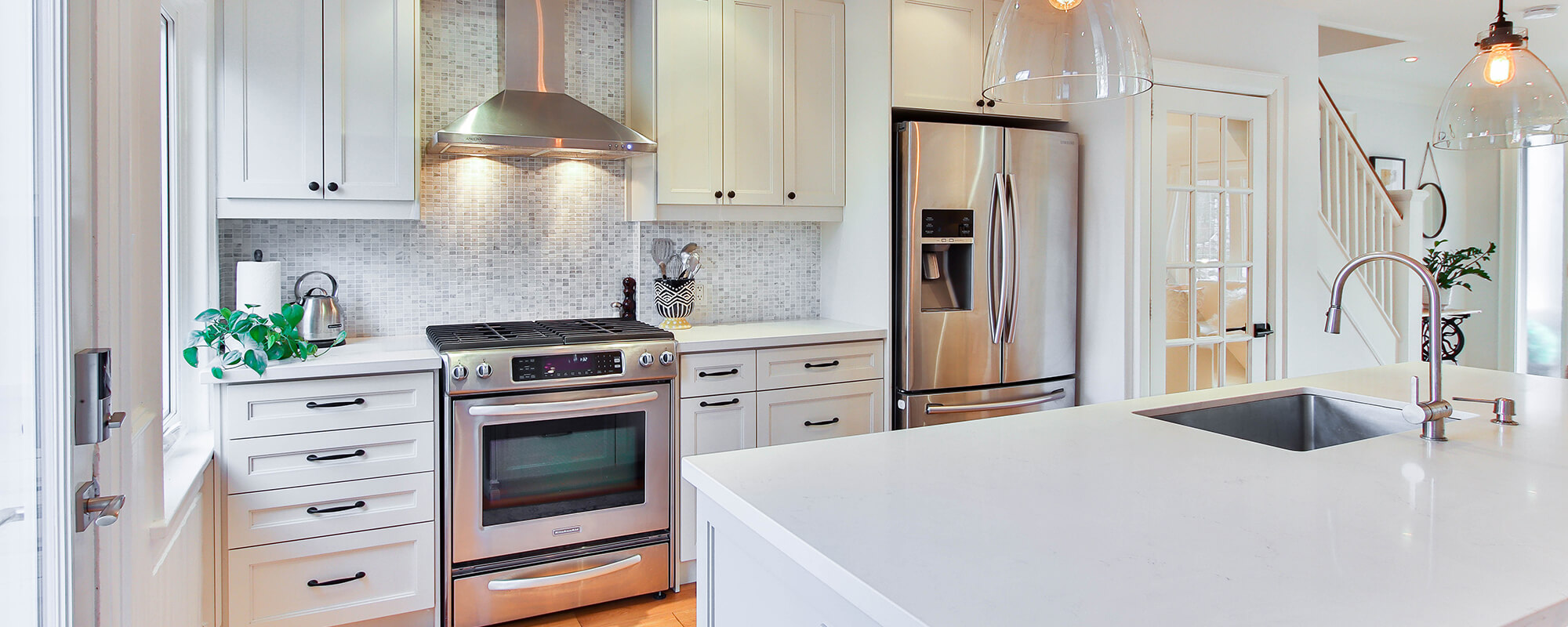
Deciding on the Perfect Shade of White for Your Kitchen Worktop

Are Staron Worktops Any Good?


A Comprehensive Guide
Choosing the right kitchen worktop material is crucial for both functionality and aesthetics. Among the plethora of options available, Corian and quartz stand out as popular choices for homeowners. Each material offers unique characteristics, catering to different preferences and requirements. In this guide, we delve into the differences between Corian and quartz kitchen worktops, aiding those who are contemplating their purchase online.
Composition and Manufacturing
Corian Kitchen Worktops: Developed by DuPont, Corian is a solid surface material composed of acrylic polymer and natural minerals. It is manufactured through a process that involves blending acrylic resin with minerals such as aluminium trihydrate. This mixture is then cast into sheets and cured to form solid surfaces.
Quartz Kitchen Worktops: Quartz worktops are engineered stone surfaces made predominantly of natural quartz crystals, typically around 90-95%. The remaining composition consists of resins, polymers, and pigments. Manufacturers bind these materials together under high pressure and heat, resulting in a durable and non-porous surface.
Appearance and Design
Corian Kitchen Worktops: One of the standout features of Corian is its versatility in design. It can be molded into various shapes and sizes, allowing for seamless integration of sinks and other features. Corian worktops offer a uniform appearance with a range of colors and patterns to choose from, including options that mimic the look of natural stone.
Quartz Kitchen Worktops: Quartz worktops boast a luxurious appearance akin to natural stone, with intricate patterns and veining that mimic marble or granite. While not as versatile in terms of customization as Corian, quartz offers a wide array of colors and designs to suit different aesthetic preferences. Its consistent pattern and color distribution make it an attractive option for many homeowners.
Durability and Maintenance
Corian Kitchen Worktops:
Corian worktops are highly durable and resistant to scratches, stains, and heat. Minor scratches can be easily repaired through sanding and polishing. However, Corian is not as heat-resistant as quartz and may be susceptible to damage from hot pots and pans. Routine maintenance involves regular cleaning with mild soap and water to preserve its appearance.
Quartz Kitchen Worktops:
Quartz worktops are renowned for their exceptional durability and resistance to scratches, stains, and heat. They are virtually non-porous, making them resistant to bacteria and mold growth. Unlike natural stone surfaces, quartz does not require sealing. Routine maintenance involves simple cleaning with soap and water or a mild household cleaner.
Cost
Corian Kitchen Worktops:
Corian worktops are generally more affordable than quartz, making them a budget-friendly option for homeowners. The cost may vary depending on factors such as colour, design, and installation complexity.
Quartz Kitchen Worktops:
Quartz worktops tend to be more expensive than Corian due to the higher cost of materials and manufacturing. However, many homeowners consider the long-term durability and low maintenance of quartz to be a worthwhile investment.
Our Conclusion
Both Corian and quartz kitchen worktops offer distinct advantages and cater to different needs and preferences. While Corian excels in versatility and affordability, quartz stands out for its durability, luxurious appearance, and low maintenance. Ultimately, the choice between the two depends on factors such as budget, aesthetic preferences, and lifestyle considerations. By understanding the differences outlined in this guide, prospective buyers can make an informed decision when purchasing kitchen worktops online.


